
Kiké Hernández Wears Pitcher’s Helmet in MLB Relief Appearances
 Oct, 30 2025
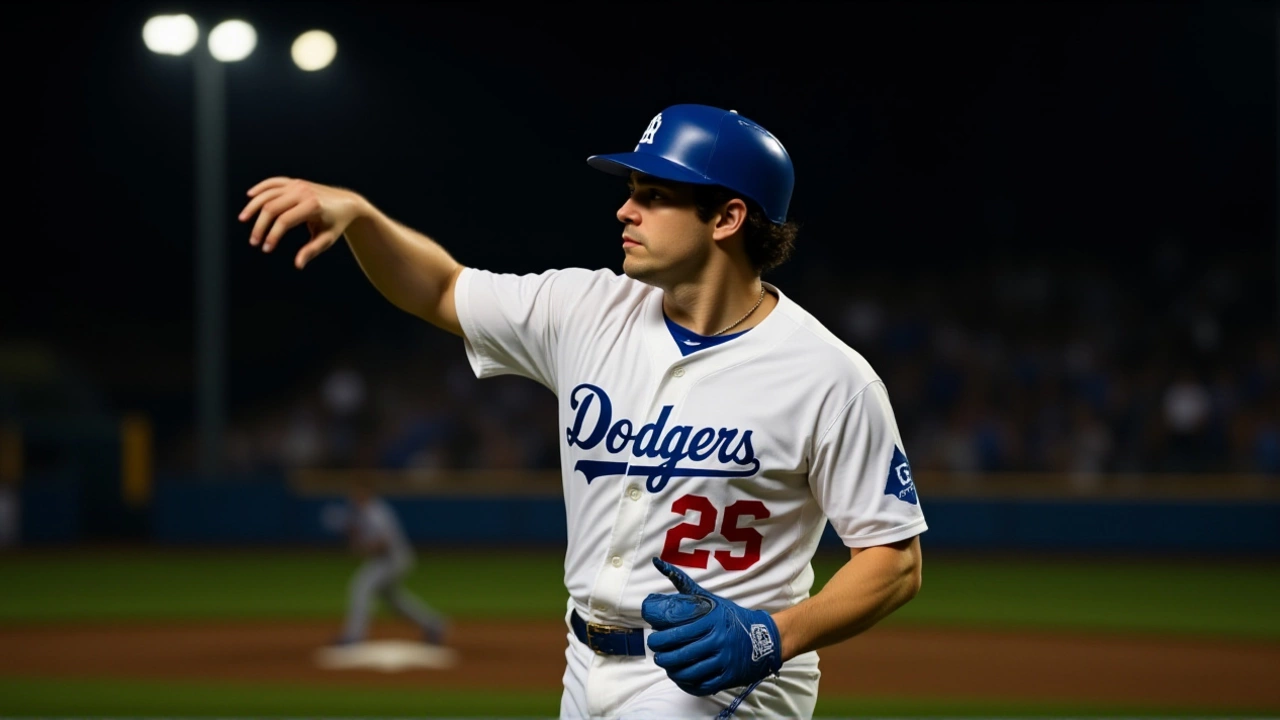
When Kiké Hernández stepped onto the mound at Dodger Stadium on April 29, 2025, he didn’t just look unusual—he looked like a baseball scientist in action. The Los Angeles Dodgers utility player, known for his glove-switching versatility, wasn’t just pitching—he was pioneering. On his sixth career mound appearance, Hernández wore a sleek, low-profile carbon fiber helmet designed to shield his head from line drives traveling over 115 mph. It wasn’t a joke. It wasn’t a stunt. It was the future of pitcher safety, worn by a position player who didn’t need to be told twice.
Why a Utility Player? Because He Could
Managers have long turned to position players in blowouts—especially since the extra-inning runner rule changed the calculus of roster management in 2020. But Hernández isn’t just filling innings. He’s redefining them. In the ninth inning of the Dodgers’ 15-2 win over the Miami Marlins, Hernández entered with the game out of reach. He threw 14 pitches. Allowed two infield singles. Struck out one. No runs. And he did it wearing the BoomBang helmet—a device originally offered to fellow Dodger Bobby Miller after a line drive cracked his skull during spring training on February 23, 2025, at Camelback Ranch-Glendale in Arizona. Miller declined. Hernández didn’t.He tried it in batting practice. Wore it during bullpen sessions. Then, when the moment came, he suited up. Not because he was asked to. But because he thought it made sense.
The Helmet: More Than a Gimmick
The BoomBang helmet isn’t a baseball cap with padding. It’s a hybrid: part cap, part half-shell, engineered with aerospace-grade carbon fiber, multi-layered energy-absorbing foam, and a moisture-wicking liner that doesn’t trap heat. It weighs less than 12 ounces. It doesn’t obstruct vision. And according to the manufacturer, it reduces impact force by 68% compared to standard batting helmets.It’s not MLB-approved in the sense of being mandatory—it’s permitted under Rule 3.07, which allows protective gear as long as it doesn’t give an unfair advantage. But adoption? Nearly nonexistent among pitchers. Why? Tradition. Pride. Fear of looking soft. Hernández, a 33-year-old with eight career positions, doesn’t care about that. He’s a pragmatist. And when Alexander James Vesia, the Dodgers’ lefty reliever, watched him take the mound in Los Angeles, he didn’t laugh—he cheered.
"Him wearing it last night was definitely something different and new. And he rocked it. I thought it was awesome," Vesia said afterward. That quote, simple and genuine, became the unofficial anthem of the movement.
June 11: The Real Test
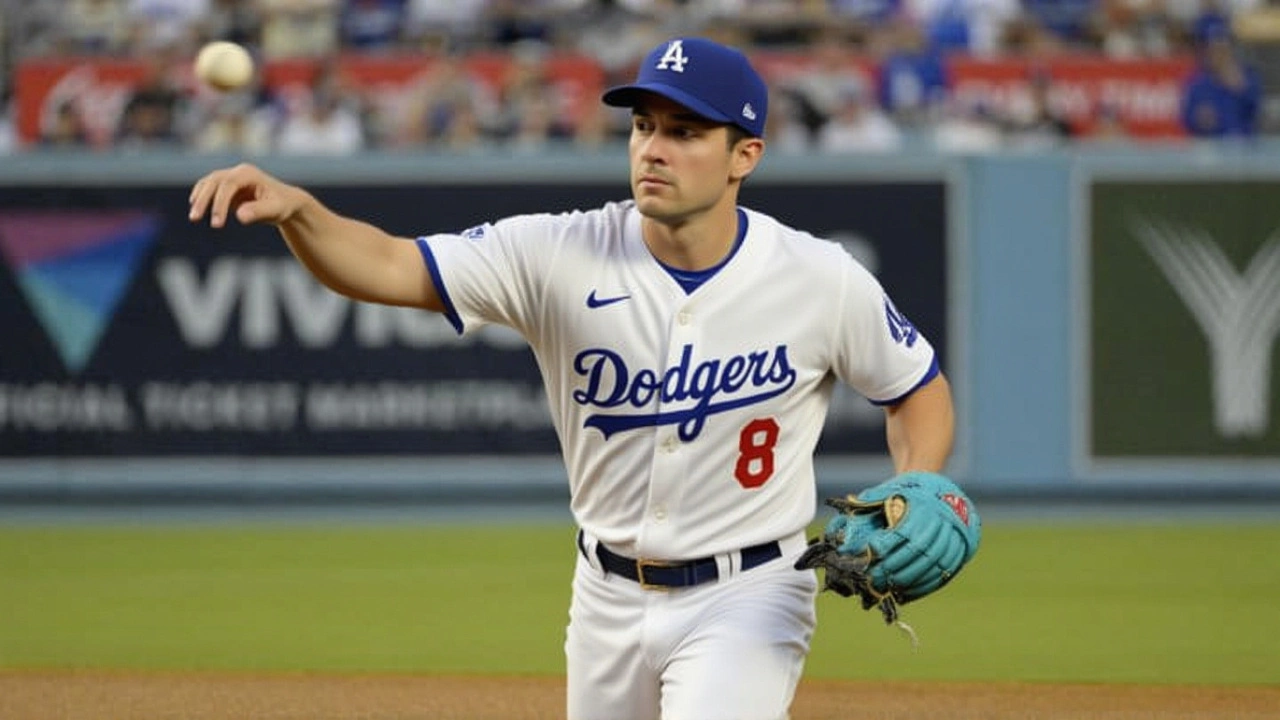
The April appearance was a novelty. The June 11 outing against the San Diego Padres at Petco Park was the true stress test. Down 9-0 in the sixth, Hernández entered with the game already lost. He pitched 2.1 innings. Allowed three hits. Two walks. One earned run. His ERA for the season? 2.08. His WHIP? 1.85. He didn’t just survive—he performed.And he did it again with the helmet on. No flinching. No hesitation. No complaints from the dugout. Even Jackson Merrill, the Padres’ 21-year-old All-Star center fielder, reportedly watched with quiet curiosity after the game. No quotes were released, but the silence spoke volumes.
A Legacy in the Making
Some compare Hernández’s helmet to John William Olerud’s legendary batting helmet use after his 1989 brain aneurysm. But the parallel is misleading. Olerud wore it while fielding. Hernández wears it while pitching—where the danger is more immediate, more violent. Line drives off the bat can hit the mound at 115 mph. Pitchers have died from these impacts. Others have suffered permanent damage.MLB has known this for years. Yet the league’s safety initiatives have focused on catchers, batters, and umpires. Pitchers? Left behind. Until now.
The Los Angeles Dodgers, through their spring training facility at Camelback Ranch, have quietly become the testing ground for next-gen protective gear. They’ve experimented with ear guards, reinforced cleats, even smart sensors in gloves. But Hernández’s helmet? That’s the one that could change everything.
What’s Next?
Will other position players follow? Will pitchers? Maybe not tomorrow. But the precedent is set. Hernández didn’t ask for permission. He didn’t wait for a mandate. He saw a risk—and he mitigated it. And in doing so, he forced the conversation out of the training room and onto the field.One day, this might look as normal as batting gloves. Or face shields. Or even the pitcher’s mound itself, once considered radical. For now, it’s still weird. But weird doesn’t mean wrong.
Frequently Asked Questions
Why did Kiké Hernández wear a pitcher’s helmet?
Hernández wore the BoomBang helmet to protect himself from line drives traveling over 115 mph that can strike the mound. The helmet, originally offered to teammate Bobby Miller after a spring training injury, provided proven impact protection without hindering mobility. Hernández adopted it after testing it in practice and saw no reason not to use it during games.
Has any other MLB pitcher worn a helmet like this?
No professional pitcher in MLB history has worn a helmet like the BoomBang model during a regular season game. While John Olerud famously wore a batting helmet while playing first base after a brain aneurysm, Hernández is the first to use specialized pitcher headgear in a live game setting, making his actions a historic first for on-field safety innovation.
Is the BoomBang helmet approved by MLB?
Yes, under Rule 3.07, MLB permits protective headgear as long as it doesn’t provide a competitive advantage. The BoomBang helmet meets these standards—it’s not a full helmet, doesn’t alter grip or motion, and is lightweight. But approval doesn’t mean endorsement. No official MLB safety campaign promotes it yet.
What’s Hernández’s pitching record in 2025?
Across three 2025 relief appearances, Hernández posted a 2.08 ERA and 1.85 WHIP over 4.1 innings pitched. He allowed five hits, three walks, and two earned runs while striking out three batters. His performance, particularly against the Padres, demonstrated that utility players can be effective in short stints—even while wearing protective gear.
Why hasn’t this become common among pitchers?
Cultural resistance is the biggest barrier. Many pitchers view headgear as unmanly or unnecessary, despite the documented risk. Equipment companies like BoomBang are ready. Teams like the Dodgers are experimenting. But without a serious injury to a pitcher in the spotlight, widespread adoption is unlikely. Hernández’s actions may be the catalyst that changes that.
Could this lead to mandatory helmets for pitchers?
Not soon—but it’s now a legitimate conversation. If more players follow Hernández’s lead and injuries continue to occur, MLB may be forced to reconsider its stance. The league has acted before when safety became undeniable—think of batting helmets in the 1970s. Hernández didn’t wait for permission. He just did what was smart.